What is NL-3?
NL-3 was accidentally made by contaminating a Rabies strand with CWD prions in live test subjects. It consists of 4 main stages with a few variations. The virus is fatal. There is no cure or vaccine at this time. The average time from stage 1 to stage 4 is 3-4 months in an adult human. Incubation periods vary depending on the size of the victim.
Neuroinvasive: Infecting the brainstem and central nervous system
Lyssavirus: A genus of RNA viruses, in this case, Rabies.
v3: Third version of the base virus
Stages
These are the general stages. However, some cases may not present all symptoms.
Stage 1
- Sense of impending doom
- Flu, weakness, discomfort, fever, and headache
- Discomfort, prickling, or itching at the infection point
- Anxiety, confusion, agitation, and possible hallucinations
Stage 2
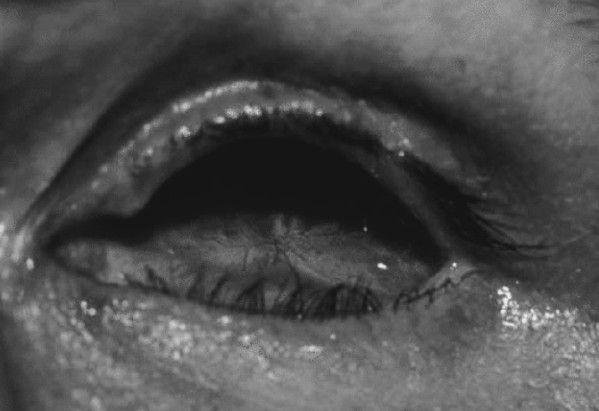
- Vision becomes blurry
- Agitation and agression worsen
- Develops light sensitivty
- Insatiable hunger
- Slurred and unintelligible words
- All previous symptoms
Stage 3
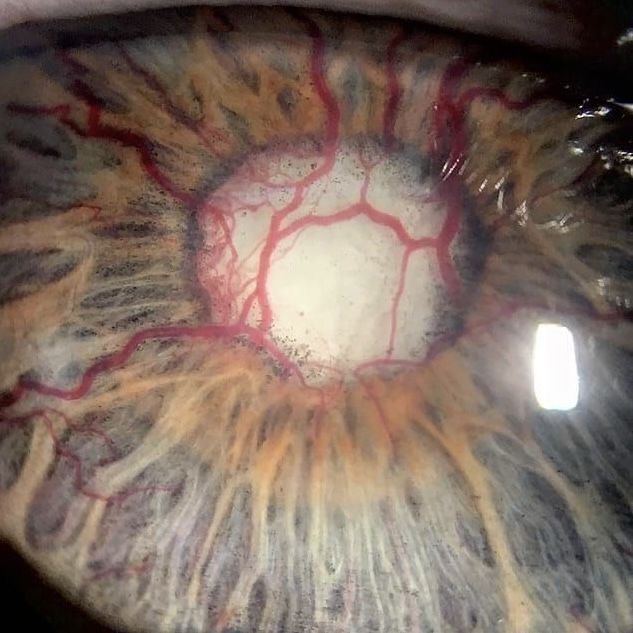
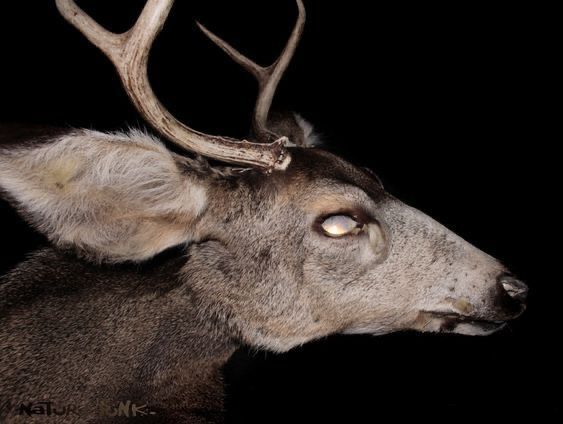
- Most vision is gone. Developed cataracts
- Numbness and/or prickling in limbs
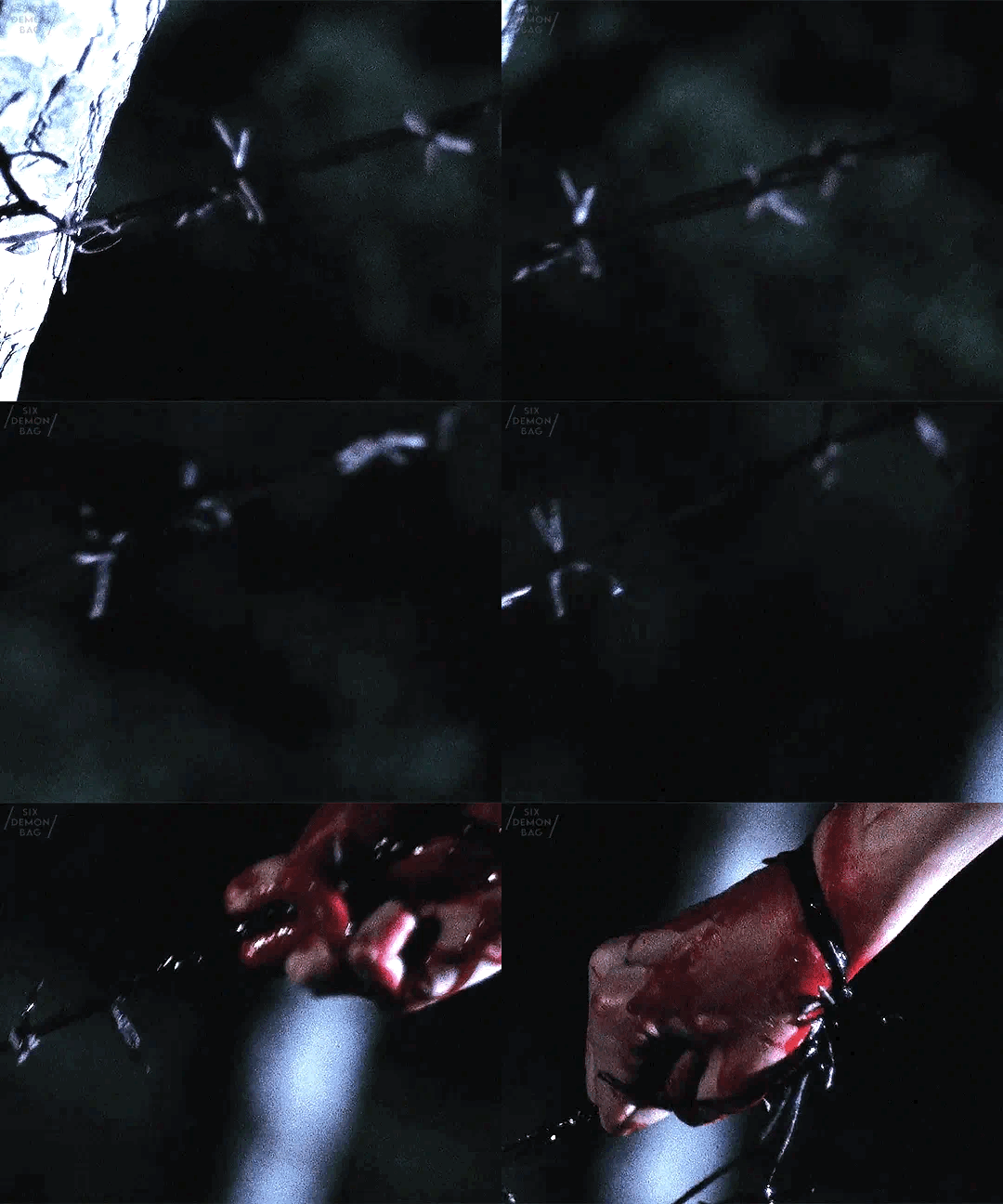
- High pain tolerance. NL-3 begins to block pain receptors.
- Cannot safely be around others without attacking.
- Loss of coordination
- Begins to develop hydrophobia
- Organs begin to fail in response to hydrophobia and severe dehydration
- Loss of fear, restraint, and ability to speak coherently.
- Relies on hearing to move and attack.
- All previous symptoms that still apply.
Stage 4
- Complete numbness and loss of most, if not all, senses.
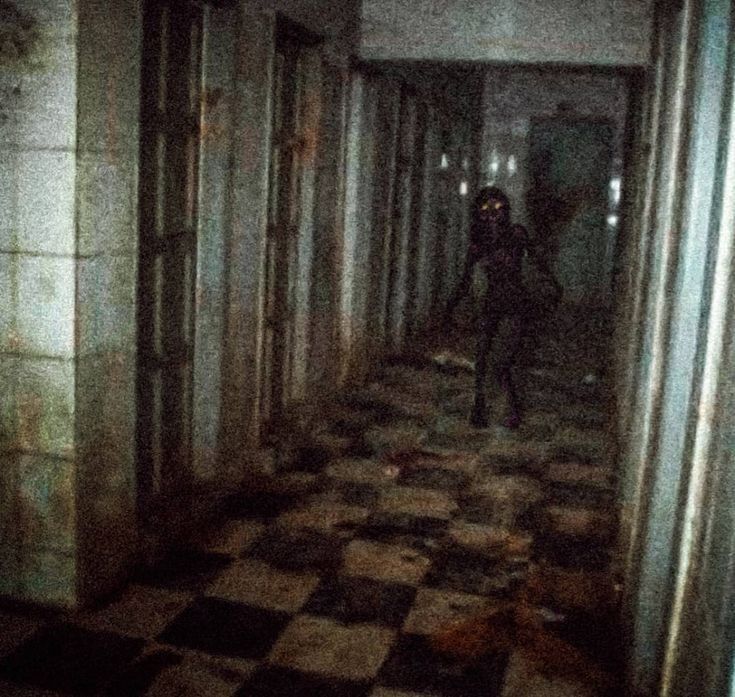
- Attempts to hunt by lying in wait until something or someone touches it.
- Most infected never reach this stage.
- Will die of starvation if dehydration and organ failure don't come first.
- Rarely moves.
Amputation guide
Since there is no cure or vaccine, amputation after being bitten or scratched is a common occurrence.
Under an hour- good to amputate in green to orange areas.
Over an hour- slightly higher risk but high chance of success in green to yellow areas.
Over 5 hours- high risk with but occasionall success in green areas.
Over 10 hours- little to no success.
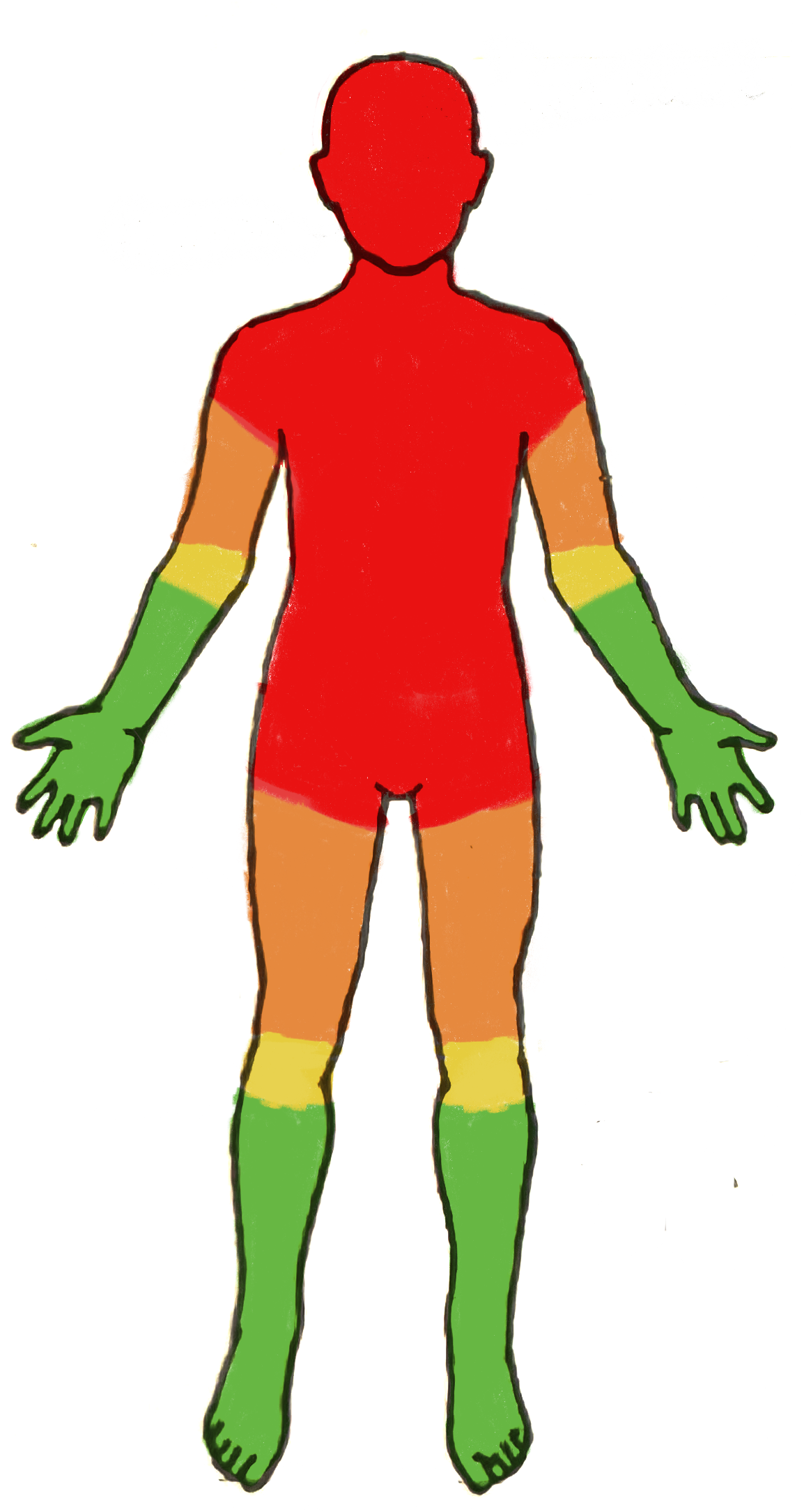
Location of the infection point heavily determines how long you have to complete a successful amputation.
Green- furthest away from the brain. High amputation success within the recommended time.
Yellow- Average amputation success within the recommended time. Must be above or below the joint, depending on the infection point.
Orange- Slightly lower amputation success even within the recommended time. Can be fatal if done incorrectly.
Red- fatal. Cannot amputate.
Variations/mutations
Docile
The "Dociles" are a mutated variation of the standard virus that causes fairly different symptoms than the original strain. This is the most common mutation. While the mutation may mimic parts of the paralytic strand of rabies, it's missing the main factor, paralysis. Docile infected lack the extreme aggression that most infected show, making it easier to blend in and hide. Though they're called "docile", they are not safe to be around and will attack once the opportunity arises. They share most stage 1 symptoms but will likely withdraw from others by early stage 2. Non-human dociles may approach humans; they may seem friendly or even cuddly until they're close enough to get a good bite in. On occasion, dociles may be called "stalkers" by a few characters as they seem to stalk their prey. This mutation didn't develop until 2013, but will continue throughout the story.
Non-mammals
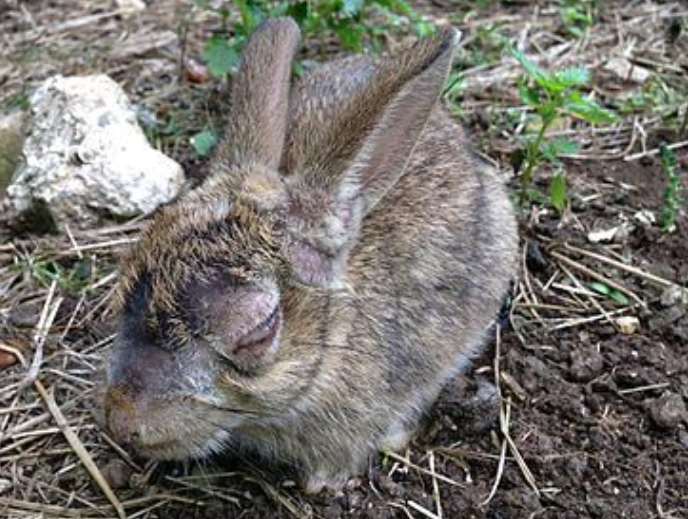
On very rare occasions, non-mammals will be infected with NL-3, though this mutation is not seen until year 15. However, most non-mammals infected with NL-3 will often die before they reach stage 3 due to starvation, dehydration, or injuries while fighting. These infected can spread the virus to mammals if contamination occurs.
Standard vs Docile
The differences between the most common strands, Standard and Docile. Many symptoms may overlap, but each case is different.
- Extreme aggression
- Hallucinations
- Hydrophobia
- Aerophobia (less common)
- Hypersensitivity to light and/or sound
- Inability to eat or drink
- Seizures
- Insomnia
- Hyperactivity
- Dropped jaw
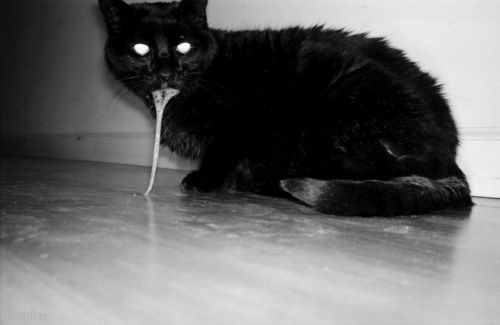
- Foaming at the mouth
- Exessive salivation
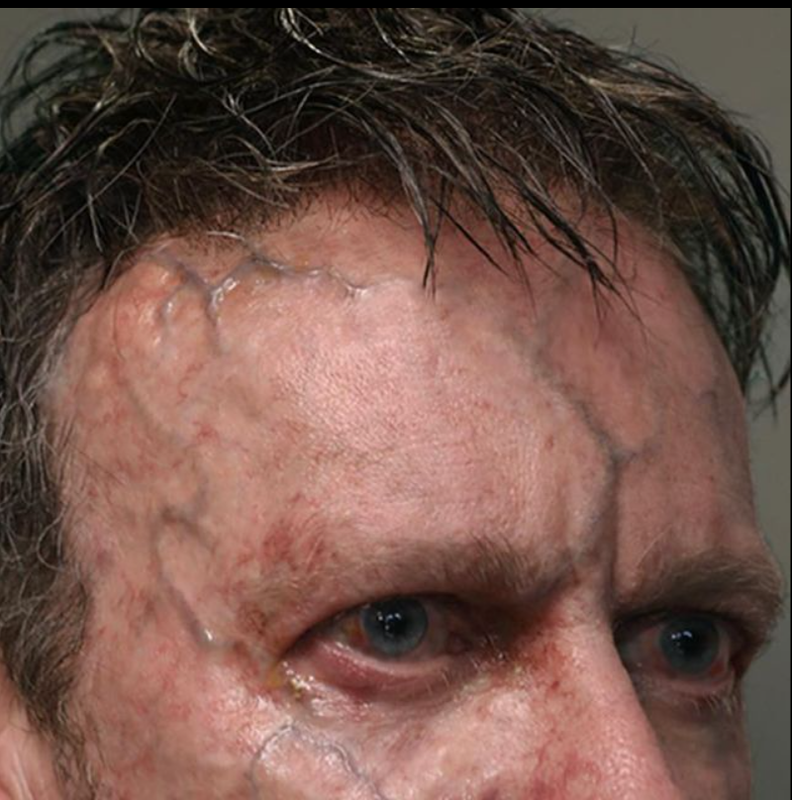
- Facial distortion
- Uncoordinated movements
- Difficulty breathing
- Seizures
- Longer lasting
- Muscle weakness
- Withdrawing
Exposure risks
Category 1 (Little to no exposure)
- Touching an infected with intact skin.
- Being licked by an infected on intact skin.
- Being in close proximity with infected.
Category 2 (Moderate exposure)
- Nibbling on uncovered skin.
- Minor scratches or abrasions without bleeding.
- Touching infected fluids.
Category 3 (High exposure)
- Single or multiple transdermal bites.
- Single or multiple scratches or abrasions with bleeding.
- Contamination of the mucous membrane or broken skin with infected fluids.
Creator notes
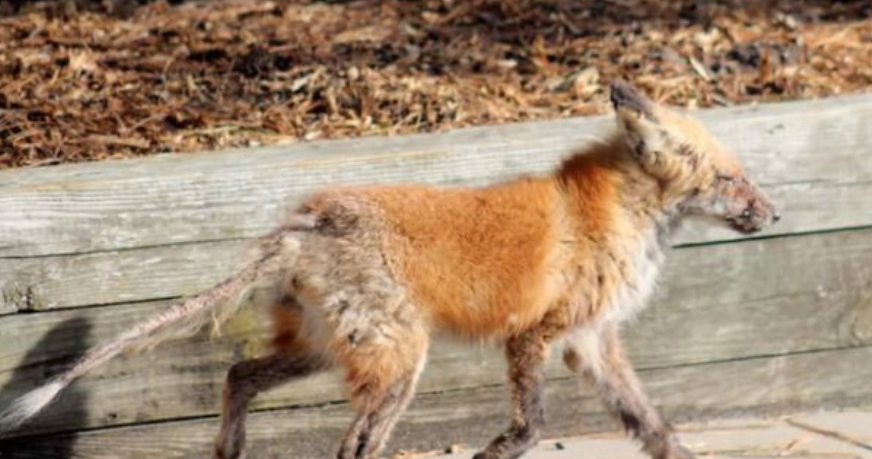
Since infected can't feel pain after a certain point, they tend to end up with many broken or fractured bones. Some may even lose limbs in fights or just by being careless. This causes blood loss and contamination through bodily fluids. It may be your best option to wear something that covers your face when out exploring or raiding to reduce the risk of infection.
While late-stage infected can't speak coherently, they can still speak, scream, and make noises. It's not uncommon for someone to get attacked after following an infected voice.
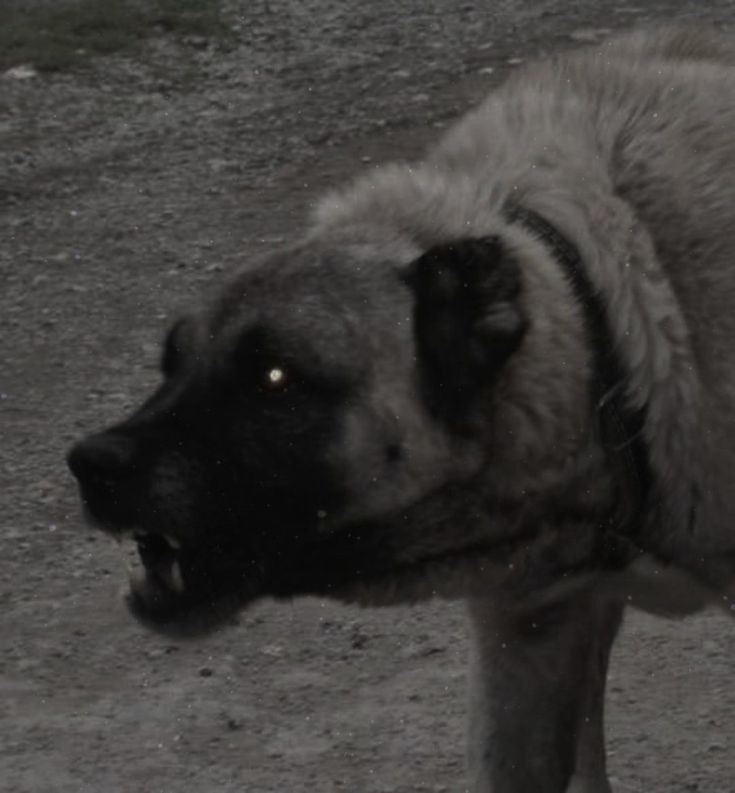
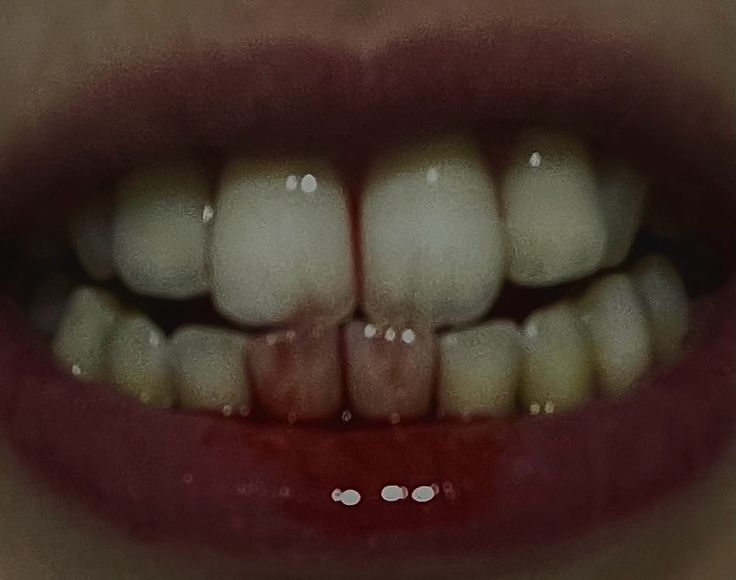
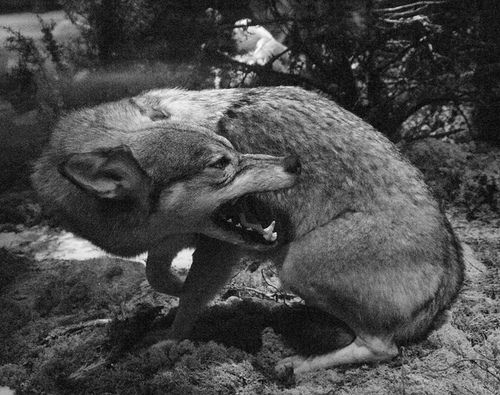
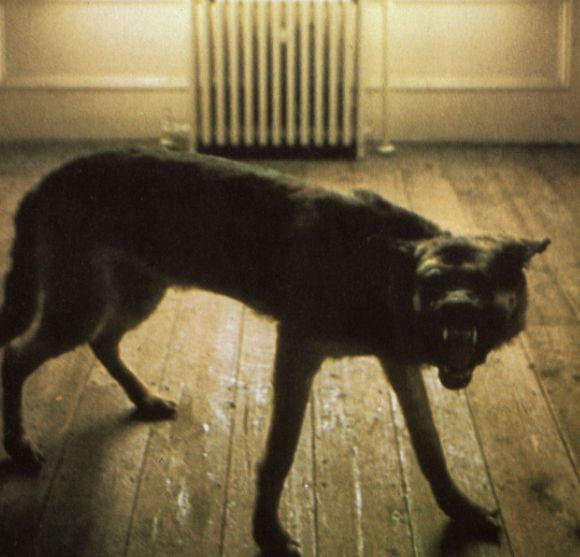
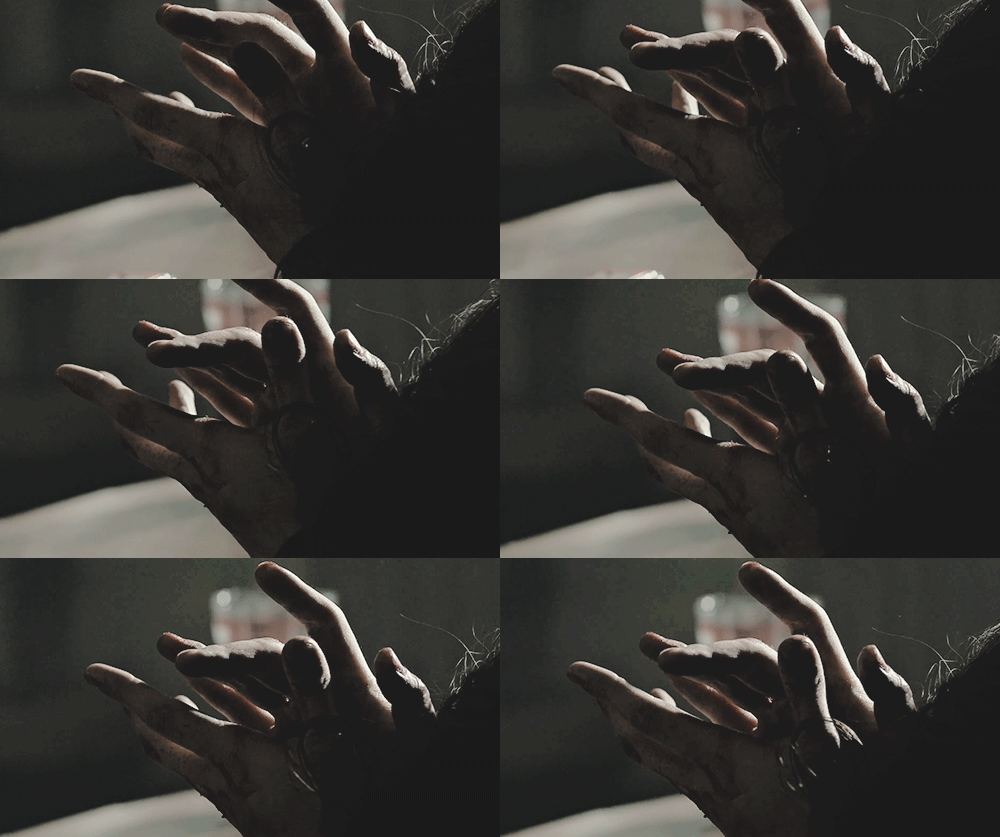
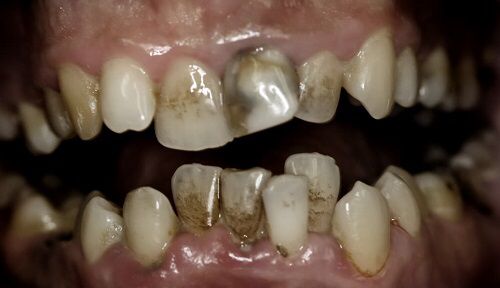
Image examples
.jpg)
.jpg)

.jpg)
.jpg)

.jpg)
.jpg)


.jpg)
.jpg)


.jpg)
.jpg)
.jpg)
.jpg)
.jpg)
.jpg)

.jpg)
.jpg)

.jpg)
.jpg)
.jpg)

.jpg)